
 Đoàn Lê Minh Anh
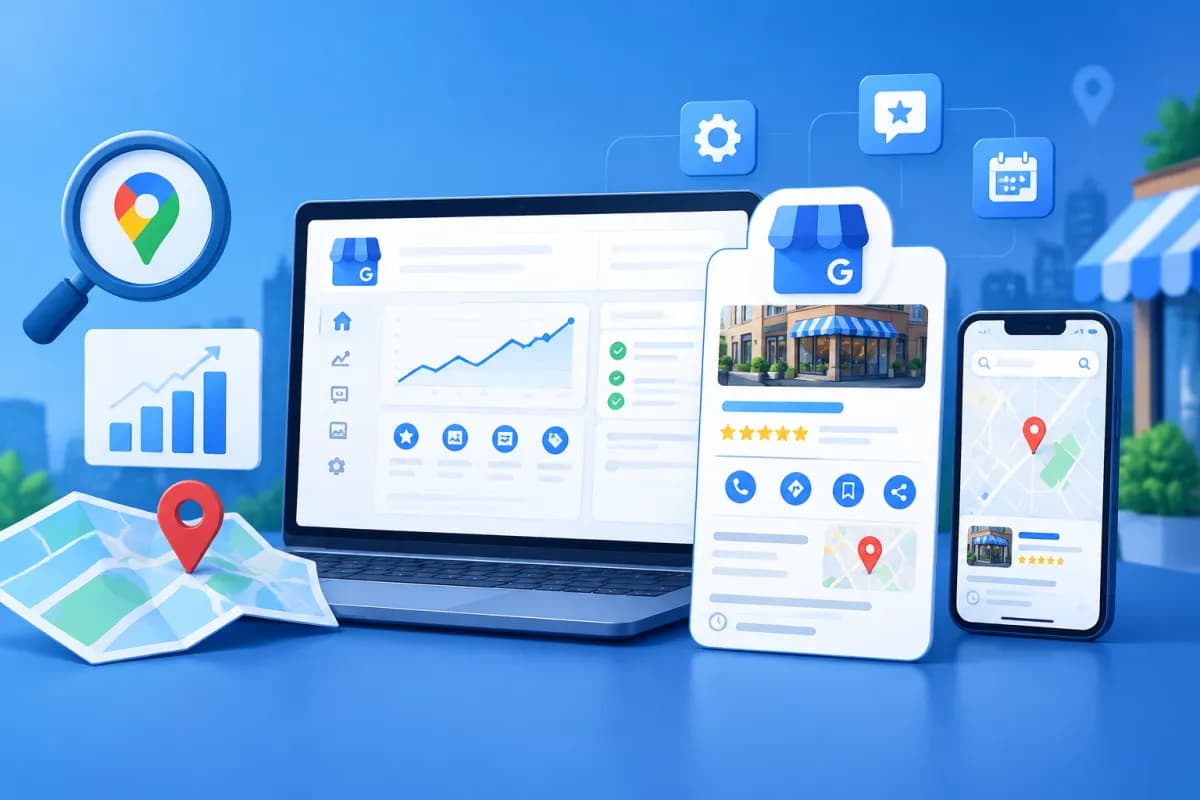
For many customers, the search for a store, clinic, or service provider begins on Google Search or Google Maps. An accurate business profile with trustworthy reviews and regularly updated content helps a brand make a strong first impression. That is why Google Business Profile management tools for Local SEO are an important part of a business’s local search efforts.
Managing a profile involves more than entering an address and phone number. Businesses also need to monitor reviews, keep posts current, update business hours, and analyze how customers find them. This article explains what to manage, how tools can help, and what to keep in mind to turn a Google Business Profile into a useful customer touchpoint.
What role does Google Business Profile play in Local SEO?
Google Business Profile (GBP), formerly known as Google My Business, is a business listing that can appear on Google Search and Google Maps. It typically displays essential details such as the business name, address, phone number, opening hours, business category, photos, and customer reviews. For businesses serving a specific area, it gives customers a quick way to check details before calling, visiting, or requesting a quote.
Local SEO is the practice of optimizing a business’s online presence to help it appear in searches tied to a location or local need. GBP is not the only factor that determines rankings, but a complete, well-maintained profile helps Google understand what a business offers, where it operates, and whether it matches a search. The profile experience also influences customer decisions: inconsistent details or unanswered reviews can undermine trust.
So the goal is not simply to appear on the map. Businesses need to provide useful information, keep their profiles accurate, and monitor customer behavior to improve their local marketing.
Keep business information consistent and accurate
Review the key profile fields
Start by checking the business name, address, phone number, website, primary and secondary categories, and service area. The displayed name should reflect the actual brand name; avoid awkwardly adding keywords or promotional messages. Categories should accurately describe the business, as an unsuitable choice may attract the wrong audience or set inaccurate expectations.

Update business hours for holidays, unexpected closures, and seasonal changes in operating schedules. Check that the phone number and address also match across other channels, such as the website, social media, and online directories. Consistency helps customers avoid confusion and signals that the information is reliable.
Choose a management approach that fits your business
Small business owners can update their profiles directly through the management interfaces provided by Google. As the number of locations, people responsible, or marketing activities grows, businesses can use internal workflows or centralized management tools to assign access, track changes, and schedule profile reviews. Whatever the approach, clearly designate an owner and establish how to handle unexpected changes to profile information.
LilyTech can help businesses review their current online presence, standardize brand information, and build management workflows suited to their needs. Setting up the right processes from the start helps prevent conflicting updates and reduces the risk of overlooking important changes.
Manage reviews to build customer trust
Reviews are an important resource for people considering a local purchase or service. Businesses should monitor new reviews, respond promptly, and maintain a polite, specific tone. For positive feedback, thank the customer and, where appropriate, mention the experience or service they shared. For negative reviews, acknowledge the issue, ask for more information when needed, and suggest a practical way to resolve it.

Avoid arguing publicly, sharing personal information, or relying on formulaic replies that make customers feel unheard. If a review appears inaccurate, a business can use Google’s reporting process, but should not promise that every unfavorable review will be removed. Transparent, professional handling is often more valuable than trying to control every opinion.
Google Business Profile management tools for Local SEO can help businesses monitor and organize review-related tasks, especially when they operate multiple locations. However, tools cannot replace a customer care process. Group feedback by topic, such as service quality, wait times, pricing, or staff attitude, then share relevant insights with the appropriate team to identify causes and improve operations.
Keep profile posts and content useful
Posts on a business profile help companies share updates, introduce products, promote offers or events, and communicate operational changes. Keep content concise and accurate, with an appropriate call to action, such as calling to learn more, viewing service details, or visiting the store during opening hours. Images should be clear and accurately represent the product without creating misleading expectations about the customer experience.

Rather than publishing a flurry of posts and then going quiet for a long time, build a content schedule that matches your resources. For example, businesses can post when launching a new service, changing their hours, hosting an event, or sharing seasonal information. Before publishing, check spelling, dates, offer terms, and contact details to avoid creating false expectations.
Post volume should not be treated as the only measure of Local SEO performance. Content should help customers make decisions and fill gaps in the profile’s information. Businesses should also keep GBP messaging consistent with their website and other channels, especially when service descriptions, prices, or policies change.
Track search performance and keep optimizing
GBP provides performance metrics that help businesses understand how people interact with their profiles. Depending on the data Google makes available at a given time, businesses may be able to see actions such as profile searches, direction requests, website clicks, or phone calls. These signals can help determine whether the profile is moving customers closer to a specific action.

Analyze metrics in the context of your business. If views increase but calls do not, it may be worth reviewing service information, calls to action, or the profile’s credibility. If direction requests rise at a particular time, check whether the business can accommodate visitors and whether its opening hours are clearly presented. Avoid drawing conclusions from short-term fluctuations; track performance over time and compare it with seasonality, marketing campaigns, or operational changes.
To manage your profile systematically, businesses can take the following steps:
- Regularly check the accuracy of the address, opening hours, phone number, and categories.
- Assign someone to monitor reviews and establish consistent response guidelines.
- Plan post updates for information that is genuinely useful to customers.
- Record engagement metrics and compare them over time instead of focusing on a single day.
- Compare performance with goals such as calls, store visits, or consultation requests.
These numbers do not explain the reasons for success or failure on their own. Combine GBP data with information from the website, sales activity, and direct customer feedback. This approach helps businesses prioritize meaningful improvements instead of chasing surface-level metrics.
Conclusion: Turn your business profile into an effective touchpoint
Effective Google Business Profile management combines accurate information, thoughtful review responses, useful posts, and regular performance tracking. When consistently maintained, a profile makes it easier for customers to learn about a business and gives marketing teams practical data to improve their Local SEO efforts.
If your business needs a profile review, a management process for multiple locations, or help connecting GBP with its website and digital marketing strategy, contact LilyTech for advice on a suitable solution. A clear plan helps businesses manage their local presence systematically and focus more on the customer experience.

