
 Nguyễn Chính Ngọc Liên
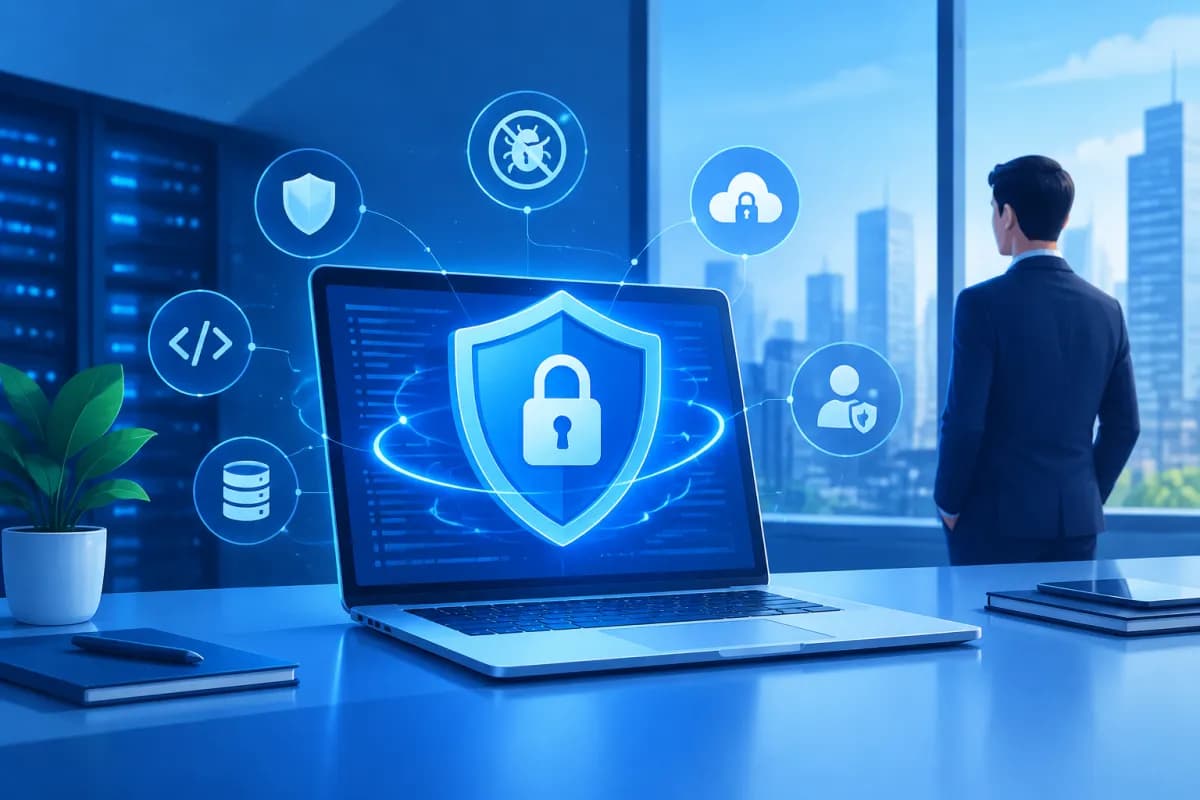
Software now powers many essential business activities, from customer management and order processing to accounting and document storage. But as systems connect to the internet, integrate with multiple services, and hold valuable data, the risk of attacks and exploited vulnerabilities also grows. A security incident can disrupt operations, cause financial losses, and directly damage a brand’s reputation.
That is why software security is not just the responsibility of the technical team or a final check before a product launch. It is an ongoing effort throughout the software lifecycle, from planning and development to deployment, operations, and maintenance. Understanding the concept and common risks helps businesses protect their systems proactively rather than responding only after an incident has occurred. This guide explains software security and why businesses should make it a priority.
What Is Software Security?
Software security is the combination of principles, processes, and technical measures used to prevent unauthorized access, data theft, changes to functionality, or disruption to an application. Its goal is to protect the software itself, the data it processes, and any systems connected to it.

These efforts generally focus on three foundational requirements. The first is confidentiality: only authorized people or systems can view data. The second is integrity: information and functionality are not changed without permission. The third is availability: authorized users can access services when they need them. Depending on the industry, businesses may also need to consider privacy, traceability, and regulatory compliance.
Software security does not mean installing antivirus software or setting up a firewall and assuming everything is safe. These tools have an important role, but they cannot replace designing systems with access controls, writing secure code, testing for vulnerabilities, and applying regular updates. An application may run reliably yet still expose data if user permissions are misconfigured or sensitive information is stored without adequate protection.
Common Software Security Risks for Businesses
Risks can stem from technical flaws, weak management processes, or user behavior. Businesses should be aware of several common threats:

- Vulnerabilities in source code: Errors in input validation, authentication, or authorization can allow attackers to gain unauthorized access, view other users’ information, or perform actions beyond their permitted scope.
- Weak passwords and poor account management: Reusing passwords across services, failing to deactivate former employees’ accounts, or not enabling multi-factor authentication increases the risk of account compromise.
- Exposure of sensitive data: Customer information, employee records, payment data, or internal documents may be exposed because of inadequate encryption, misconfigurations, or excessive sharing permissions.
- Outdated software and libraries: Third-party components may contain publicly disclosed vulnerabilities. If businesses do not monitor and update them, their systems remain exposed to threats that already have known exploit methods.
- Phishing and malware: Employees may accidentally open malicious files or enter their login details on fake websites, giving attackers a way into the system.
- Denial-of-service attacks: Unusual volumes of traffic can slow down or shut down applications, affecting transactions and the customer experience.
- Insecure system configurations: Servers, storage repositories, or test environments with broader access than necessary can become entry points for attackers.
It is worth noting that incidents do not always stem from a sophisticated attack. A shared account, an unprotected data backup, or an uncontrolled deployment can also have significant consequences.
Why Should Businesses Prioritize Software Security?
Protect Data and Limit Financial Losses
Customer data, transaction information, and intellectual property are valuable business assets. If data is lost, encrypted, or disclosed without authorization, businesses may incur costs to restore systems, investigate the cause, notify relevant parties, and manage the aftermath. For businesses that depend on digital platforms, downtime also means lost orders, revenue, and business opportunities.
Maintain Trust and Protect Brand Reputation
Customers expect their information to be used appropriately and carefully protected. A data breach can make customers reluctant to continue doing business with a company and can damage its brand image for a long time. In contrast, clear data protection processes and a responsible response help businesses strengthen trust among customers, partners, and employees.
Reduce Disruption and Support Compliance
Strong security helps businesses maintain continuity, especially for sales, customer service, internal management, and e-commerce systems. Depending on their industry and the scope of the data they process, businesses may also need to meet relevant legal, contractual, or security standards. Proactive risk management can make assessments, audits, and work with business partners easier.
Control Costs from the Start
Fixing vulnerabilities after software has been widely deployed is usually more expensive than addressing issues during design and development. Businesses may need to disable features, modify the architecture, review data, or notify users. Building security into processes from the outset helps identify issues early, allocate budgets appropriately, and avoid relying on emergency measures.
How to Build an Effective Software Security Strategy
Businesses do not have to start with a complex program. The key is to set priorities based on risk, system size, and the value of the data that needs protection. The following steps provide a practical starting point:

- Inventory systems and data: Identify the software in use, where data is stored, which accounts have access, and what third-party connections exist. Classify information by sensitivity so you can prioritize protection for critical assets.
- Assess risks: Review potential vulnerabilities, the consequences of an incident, and your ability to recover. Prioritize threats that could significantly affect customers, revenue, and essential operations.
- Apply the principle of least privilege: Give each employee only the permissions needed to do their job. Use individual accounts, revoke access when roles change, and enable multi-factor authentication for important accounts.
- Build security into development and testing: Include security requirements in design documentation, review source code, and test before release. For critical systems, conduct regular assessments or engage an independent specialist.
- Update and monitor continuously: Track software, library, and operating system versions and apply appropriate patches. Log unusual activity for early detection, and review server and cloud service configurations.
- Prepare an incident response plan: Define responsibilities for responding to incidents, isolating systems, and restoring data. Regular backups are essential, but businesses should also test recovery to make sure backups can be used.
- Train users: Teach employees to recognize phishing emails, protect login credentials, and report suspicious activity. User awareness is an essential part of overall security.
For these steps to work, assign clear ownership and set a regular review schedule. Businesses can track metrics such as the time taken to fix vulnerabilities, the percentage of systems kept up to date, backup test results, and the number of accounts with excessive permissions. These measures turn security from a slogan into an effort that can be assessed and improved. LilyTech helps businesses consider software security as part of the broader digital strategy.
Conclusion: Software Security Is an Investment in Sustainable Growth
Software security helps businesses reduce the risk of data loss, limit disruption, and protect customer trust. Risks can arise from source code, accounts, system configurations, vendors, or everyday user habits. An effective solution therefore combines technology, processes, and people, and is maintained throughout the software lifecycle.
Businesses should start by understanding their existing systems, identifying critical data, and prioritizing the risks with the greatest potential impact. If you need to build or upgrade a digital platform with security in mind from the outset, contact LilyTech for advice on website design, applications, and management systems tailored to your real-world operational needs.

