
 Nguyễn Chính Ngọc Liên
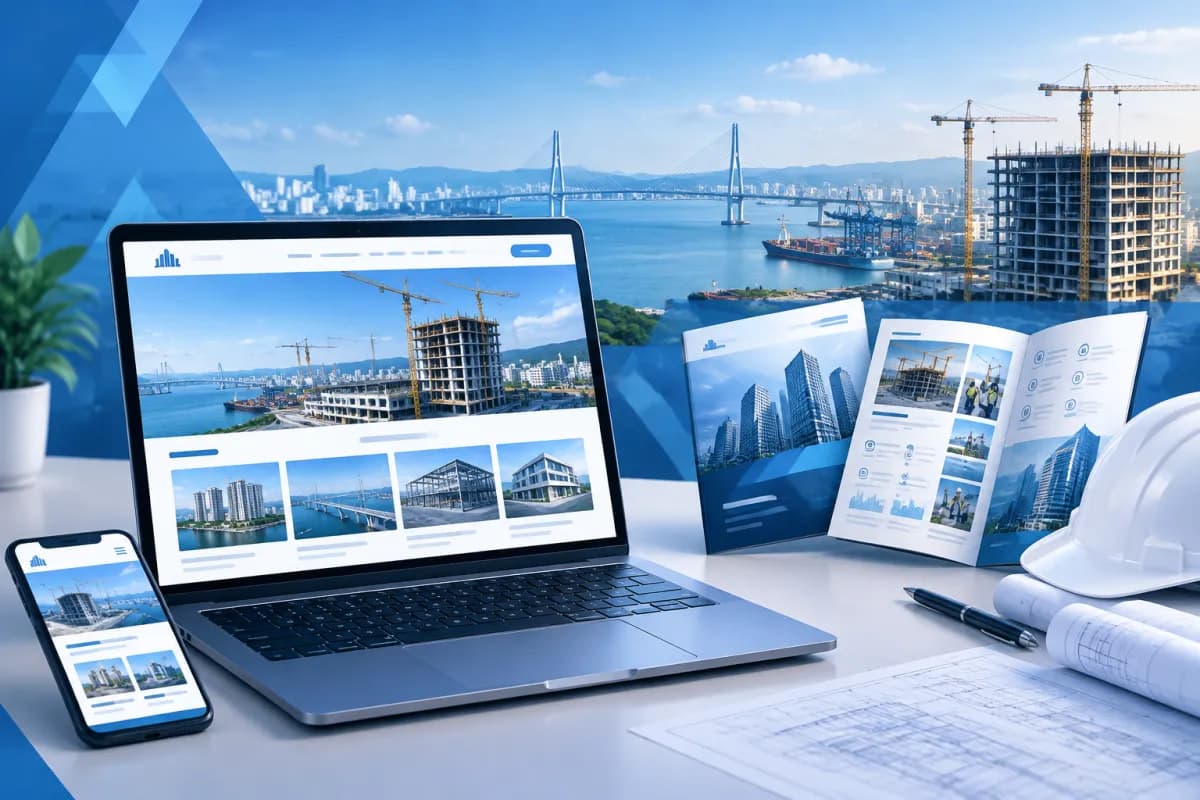
When looking for a contractor, customers want to know what projects a company has completed, whether it can meet their requirements, and what information they need to provide to get a quote. A well-organized website helps construction businesses answer these questions before customers get in touch. That is why construction website design in Hai Phong is about more than creating a company profile page: it is a way to present projects, credentials, and working processes clearly and professionally.
This article guides businesses through the structure, content, and features a construction industry website should include. Whether you operate in Hai Phong or serve customers across multiple provinces, the recommendations below can help visitors assess your capabilities, find information, and request a consultation more easily.
What needs should a construction website address?
People looking for construction services want more than to know whether a business has a website. They want to review completed projects, service areas, experience, delivery processes, and contact details. A website should organize this information around the customer’s decision-making journey: learning about the business, reviewing evidence of its capabilities, assessing whether it is a good fit, and then discussing the project.

For contractors, architecture firms, interior construction companies, and building materials suppliers, a website also provides an updatable home for company credentials. Instead of sending every partner the same outdated company profile file, businesses can share a project page or online portfolio, add content as new projects are completed, and use it consistently in sales activities.
A website can also support search marketing when its content is built around specific services and customer needs. However, visibility in search engines takes time, useful content, and technical optimization; a website should not be treated as an automatic guarantee of new customers. Businesses should view it as a platform for presenting reliable information and making it easier for prospects to get in touch.
Showcase completed projects persuasively
The projects page is often the part customers care about most. A simple collection of photos is not enough to show what work a business was responsible for. Each project should have concise, accurate content with enough context for readers to assess its scale, relevant expertise, and how the company addressed the requirements.

What to include on a project detail page
- Project name or type: Describe it using information approved for publication, such as a home, office, factory, or renovation project.
- Scope of work: Specify whether the business handled design, structural construction, finishing, mechanical and electrical work, or another area.
- Context and requirements: Explain the issue to be addressed or the client’s goals, without disclosing private information without permission.
- Delivery process: Summarize the stages, approach, or coordination requirements if this information can be shared.
- Images and captions: Use images owned by the business or authorized for use, with specific captions rather than context-free photos.
If the portfolio is large enough, consider filters by project type, service, or year. Each project profile should connect to related service content so customers can explore further, but there is no need to feature every project on the homepage. Select a few representative projects, update the portfolio thoughtfully, and review content before publishing.
For example, a renovation project profile could describe the original condition, renovation scope, construction approach, and handover results if verified materials are available. This is more useful than broad claims such as “top quality.” Project images, descriptions, and details must be accurate; do not publish a client’s name, contract value, or results without supporting evidence or permission to disclose them.
Make company credentials and business information transparent
A company profile on the website should quickly answer three questions: What services does the business provide? What work has it completed? Who should customers contact? Content can include an overview, areas of operation, team capabilities, workflow, featured projects, and legal information or certifications if the business has valid documentation that can be made public.
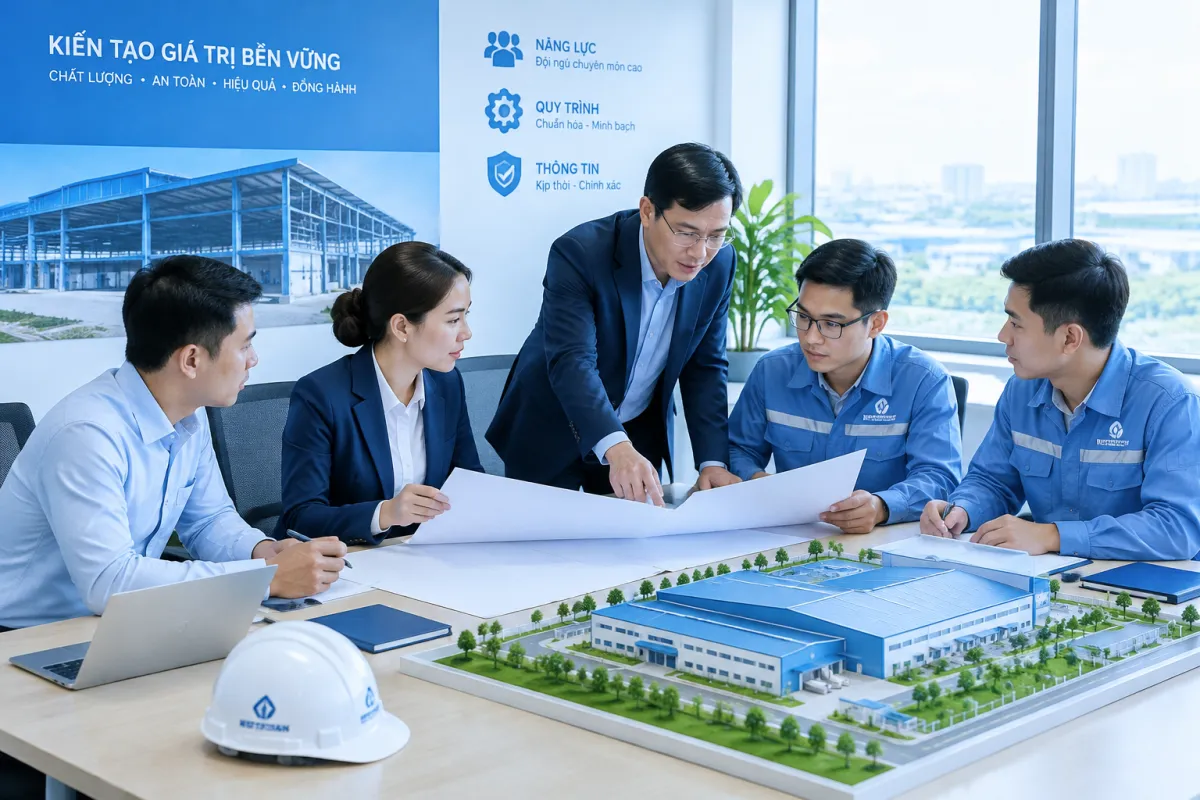
Avoid turning the About page into a long advertisement filled with claims that are difficult to verify. Instead, present specific facts such as the types of work accepted, coordination methods, site survey steps, and how to submit a request. If you have certificates, accreditations, or professional credentials, state their exact names, issuing bodies, and validity status. Do not use logos or titles that could mislead visitors.
Businesses with multiple service lines should create a separate page for each service rather than combining everything on one page. Each page should explain who the service is for, its scope, how work is delivered, and what information customers should prepare. A clear structure helps visitors find the right content and provides a foundation for related topics such as home construction, factory construction, architectural design, or building renovation.
When advising businesses on construction website design in Hai Phong, LilyTech recommends preparing content and project materials before starting the page layouts. This helps standardize service terminology, select featured projects, and avoid repeated revisions late in the process. Businesses should also assign someone to approve content, images, and contact information.
Construction pricing on your website: clarify scope and avoid confusion
Construction costs depend on many factors, including project type, area, existing conditions, materials, technical standards, and scope of work. So unless a business has a verified price list with clearly defined terms, it should not publish a generic price on its website. A figure without context can create false expectations or lead customers to compare services that are not equivalent.

Instead of publishing a price without a sound basis, explain how you handle inquiries and what needs to be assessed before preparing an estimate. Let customers know they can provide the project type, location, approximate area, required work, available drawings, and preferred timeline. This information supports an initial discussion; it does not replace a site survey or a formal quote.
What should a consultation request form ask?
- Name and preferred contact method.
- Project type or service of interest.
- Project location and expected timeframe.
- A brief description of the need, work required, or current conditions.
- An option to upload drawings or related documents if needed.
Ask only for information genuinely needed at the initial stage, explain why it is being collected, and handle contact data appropriately. Make the call, email, or request button easy to find on mobile. After receiving an inquiry, assign someone to respond according to your internal process; a website cannot replace customer service.
Structure, user experience, and SEO for a construction website
An effective website should be easy to use on both desktop and mobile. Keep the menu focused on key sections such as About, Services, Projects, Company Credentials, News, and Contact. Break up long pages into sections, use headings that accurately describe the content, and place calls to action where they feel natural without interrupting the reading experience.

For SEO, each page should have a clear purpose and original content. Service pages should explain the service; project pages should provide details about completed work; and articles should answer customer questions. Related terms such as “construction services in Hai Phong,” “construction contractor,” “contractor company profile,” or “construction quote” should be used only when they fit the content and services the business actually provides. Avoid keyword stuffing or creating numerous location pages with nearly identical content.
Before launch, businesses can check the following:
- Are service details, addresses, and contact channels accurate and consistent?
- Do project pages clearly describe the scope of work and image usage rights?
- Do forms work and send inquiries to the right person?
- Does the website display well on mobile, load reliably, and use readable text?
- Do important pages have clear, distinct titles, descriptions, and content?
- Is there a plan for updating projects, services, and content after launch?
Plan for ongoing operations from the outset: who updates projects, who approves content, how often forms are checked, and how customer inquiries are stored. Regular website maintenance helps prevent outdated information, gives the sales team consistent materials, and maintains a positive experience for visitors.
Conclusion
Construction website design in Hai Phong should start with what customers need: to review completed projects, assess a contractor’s capabilities, and understand how to request advice or a quote. With transparent content, well-supported images, an intuitive structure, and a thoughtfully designed inquiry form, a website can become a valuable platform for presenting services and supporting long-term marketing.
If your business is planning a new website or looking to improve an existing one, contact LilyTech to discuss your goals, content structure, project portfolio, and suitable features. Our team can help identify an approach based on your actual needs, so your website presents your capabilities clearly and makes it easier for customers to get in touch.

