
 Nguyễn Chính Ngọc Liên
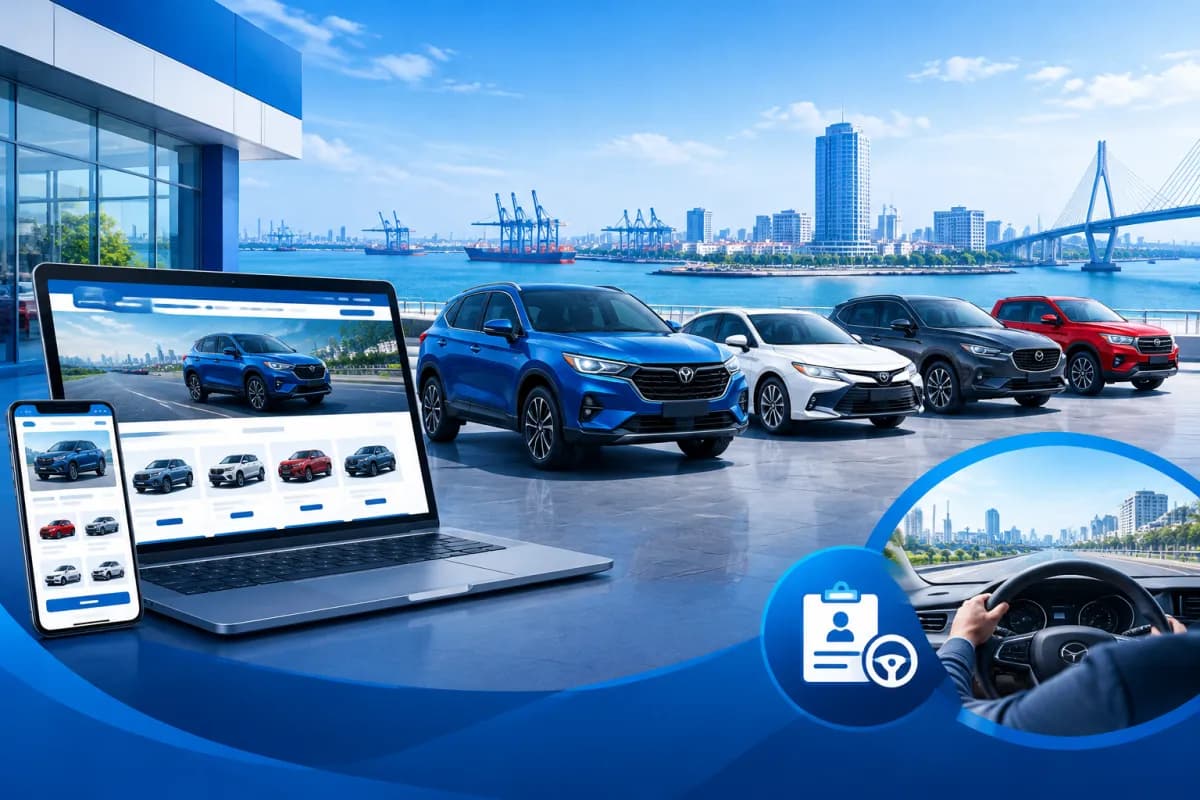
Customers often want to browse car models, compare details, and learn about offers before visiting a showroom. That’s why car dealership website design in Hai Phong should turn these needs into an easy-to-use online experience while helping businesses conveniently handle consultation requests and test-drive bookings.
A website for a dealership or automotive business needs more than an attractive design. The vehicle listing structure, introductory content, contact forms, and process for updating promotions all affect how easily customers can find relevant information. This article outlines the essential components and how to implement them so the website supports business operations effectively.
What needs should an automotive website address?
Before choosing a design or features, a business should determine how the website will support customers and the sales team. Car buyers commonly ask: Which models are available? How do the different versions compare? What features does each vehicle have? What offers are available, and how can they request advice or arrange a test drive?

The website should answer these questions directly rather than making visitors search across multiple pages or call just to get basic information. Its goals can be divided into three areas:
- Showcase products: Help customers browse vehicle listings, details about each model, and information that supports their choices.
- Capture customer interest: Provide clear ways to request advice, book a test drive, or leave contact details.
- Keep business information up to date: Present promotions, news, and company announcements with clear dates and terms.
Businesses should also decide who will manage the website and update its content. If the sales team frequently changes vehicle details or promotions, the content management system should be straightforward enough for authorized staff to make updates without relying on a developer for every minor change.
Designing easy-to-use vehicle listings and detail pages
Vehicle listings are an important starting point in the product discovery journey. Instead of presenting an unordered series of posts, businesses can organize their catalog in ways customers understand, such as by model line, product category, or vehicle condition if the business sells both new and used cars.

What to include in a vehicle listing
Each vehicle card should focus on details that help visitors identify the car and decide whether they want to learn more. Depending on the information the business can verify, it may include the model name, version, images, a short description, and a button to view details. If prices or promotional offers are shown, establish a review and update process to prevent outdated information from misleading customers.
Filters should reflect the actual catalog; there’s no need to add numerous criteria just to make the website seem more complex. For example, if there are many models and versions, filters by make, model line, or vehicle category can help visitors find what they’re looking for faster. On mobile, filters should be easy to open and close without obscuring the main content.
Structuring vehicle detail pages
A detail page should present information in order of priority: vehicle name, images, version details, key highlights, and how to get in touch. Use images the business is authorized to use, choose appropriate image quality, and optimize file sizes so pages load quickly. Descriptions should be accurate and consistent with information provided by the business; don’t make claims about features, specifications, or vehicle condition before they have been verified.
Place a clear call to action, such as “Book a test drive” or “Request advice,” where visitors can easily see it. The button should lead to a form relevant to the vehicle being viewed or prefill the vehicle model in the form. This reduces effort for customers and helps staff understand their needs as soon as a request comes in.
Test-drive bookings and promotions: make it easy for customers to take action
A test-drive booking form should be concise and ask only for the information needed to respond and arrange the next step. A form that’s too long may cause people to abandon it, while one that’s too sparse may not give staff enough information to follow up. Choose fields based on the business’s actual customer intake process.

Possible fields include name, phone number, vehicle of interest, and preferred time to be contacted. If more information is needed, explain the reason and only request what’s necessary. After submission, the website should display a clear confirmation stating that the request has been received and explaining what happens next. Avoid promising a response time unless the business has a process in place to guarantee it.
For promotions, the relevant page or content area should state the validity period, eligible customers, and terms based on information confirmed by the business. When an offer ends, the site manager should remove it, update it, or mark it as expired so customers don’t rely on information that’s no longer valid. Avoid creating a false sense of urgency.
To ensure requests aren’t overlooked, the business should agree on where forms are received and who is responsible for handling them. The website can send email notifications or integrate with a customer management system if that suits the workflow. Whichever option is chosen, regularly check that data is being sent and received, and restrict access to personal information.
SEO, mobile experience, and content management
Customers may search by vehicle model, car-buying needs, test-drive information, or services in their area. Website content should therefore use page titles that accurately describe each page, readable URLs, and useful introductory copy. Supporting keywords such as “book a car test drive,” “vehicle model listings,” and “car-buying offers” can appear naturally where relevant rather than repeating the same phrase over and over.

If the business serves customers in Hai Phong, it can include its location, contact details, and service area when that information has been verified. Don’t add unconfirmed addresses, business hours, vehicle quantities, or service commitments. Accurate local information helps visitors assess whether the business is right for them and how convenient it is to get in touch.
Mobile design should be a priority because people may visit the website on different devices and in different situations. Readable text, clearly visible buttons, images that don’t slow the page, and easy-to-use forms are all important. Contact details should also be easy to find, content should be well organized, and calls to action should be consistent across vehicle listings, detail pages, and promotion pages.
LilyTech can work with businesses to define their website structure, design the interface, and build features around their operational workflows. To make the site easy to manage after handover, businesses should agree from the outset on the content that needs updating, user roles, and how form submissions will be handled.
Preparation process and pre-launch checklist
Effective car dealership website design in Hai Phong starts with real business data, not just a design template. Businesses can follow the steps below to minimize changes later:

- Define objectives: Decide whether to prioritize showcasing vehicles, attracting test-drive bookings, announcing promotions, or combining these goals.
- Plan the content: List vehicle models, versions, images, descriptions, and which details have been verified.
- Map the customer journey: Determine how visitors will move from the homepage to vehicle listings, detail pages, and contact forms.
- Confirm the intake process: Assign someone to receive requests, decide how to follow up, and define how to track their status.
- Test before launch: Check forms, buttons, mobile display, promotional content, and contact details.
A content checklist may include: reviewed vehicle listings; images approved for use; accurate descriptions and versions; clear promotion terms; forms that request only necessary data; working post-submission notifications; and trained staff responsible for updates. After launch, review content and key features regularly, and use real-world feedback to improve the experience.
Conclusion
An automotive website should help customers find vehicles, understand the details, view current offers, and submit requests without difficulty. Clear vehicle categories, useful detail pages, well-designed test-drive forms, and a reliable content update process give businesses a more practical online presence. For car dealership website design in Hai Phong, start with business goals and verified information, then choose the right design, features, and operating approach.
Contact LilyTech to discuss your needs and get advice on a website design that fits your automotive business, from vehicle showcases to test-drive bookings and promotional updates.

