
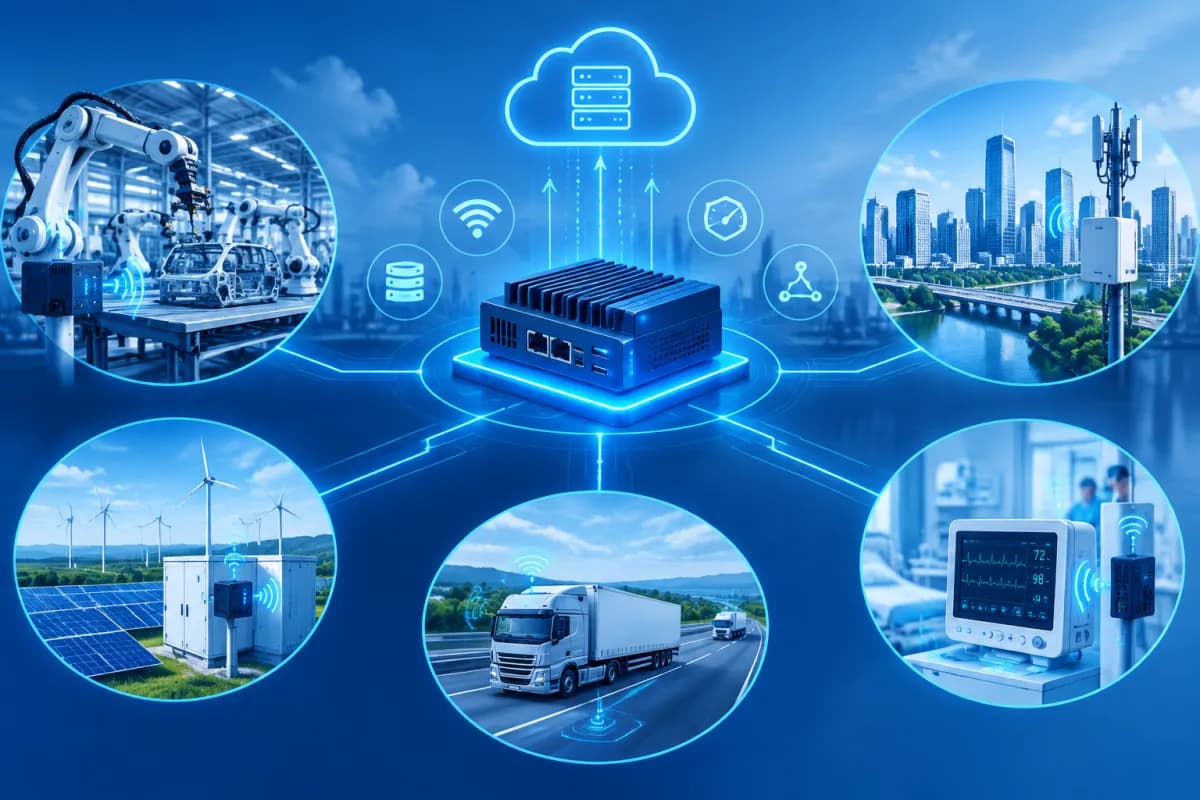
As internet-connected machines, vehicles, and devices generate ever-increasing amounts of data, sending everything to a centralized data center for processing can cause delays and consume significant bandwidth. Edge computing brings processing power closer to where data is generated, helping businesses respond faster and operate more flexibly.
So, what is edge computing, how does it differ from cloud computing, and how is it used across industries? This article explores the concept, its benefits, and practical examples in manufacturing, retail, healthcare, logistics, and smart cities.
What Is Edge Computing? How It Works and Its Key Benefits
Edge computing is a model in which data is processed at or near the place where it is generated—for example, on a device or machine, at a gateway, or on a server located on-site. Instead of sending all data to a distant data center, a system can analyze it and respond right at the edge.
For example, a factory camera can use local processing hardware to detect defective products. The system sends only alerts or summarized data to the cloud instead of continuously uploading every video frame. Cloud computing still plays an important role in long-term storage, model training, large-scale data analysis, and managing multiple locations.
An edge computing system typically includes data collection devices, edge processing hardware, analytics software, and a connection to a data center or the cloud. These components work together to determine which data should be processed on-site, which should be synchronized, and when information should be sent elsewhere.
Key benefits include:
- Lower latency: Processing data close to the device can shorten response times, making edge computing suitable for tasks that require an immediate response.
- Reduced bandwidth use: Only necessary data is sent to the cloud, helping lower network traffic and connectivity costs.
- Greater operational continuity: Some on-site functions can keep running when the internet connection is unstable.
- Support for security and privacy: Sensitive data can be processed at its source, although businesses still need to implement appropriate security measures.
Edge computing does not completely replace cloud computing. The two models are often deployed together: the edge handles tasks that require a fast response, while the cloud supports centralized management and in-depth analysis.
Edge Computing Applications in Industrial Manufacturing
Modern factories use sensors, cameras, robots, and automated production lines to monitor manufacturing processes. These devices continuously generate data on temperature, pressure, vibration, operating speed, and product images. If all data has to travel over a network to a remote system before a response is issued, the production line may not react quickly enough to situations requiring immediate intervention.
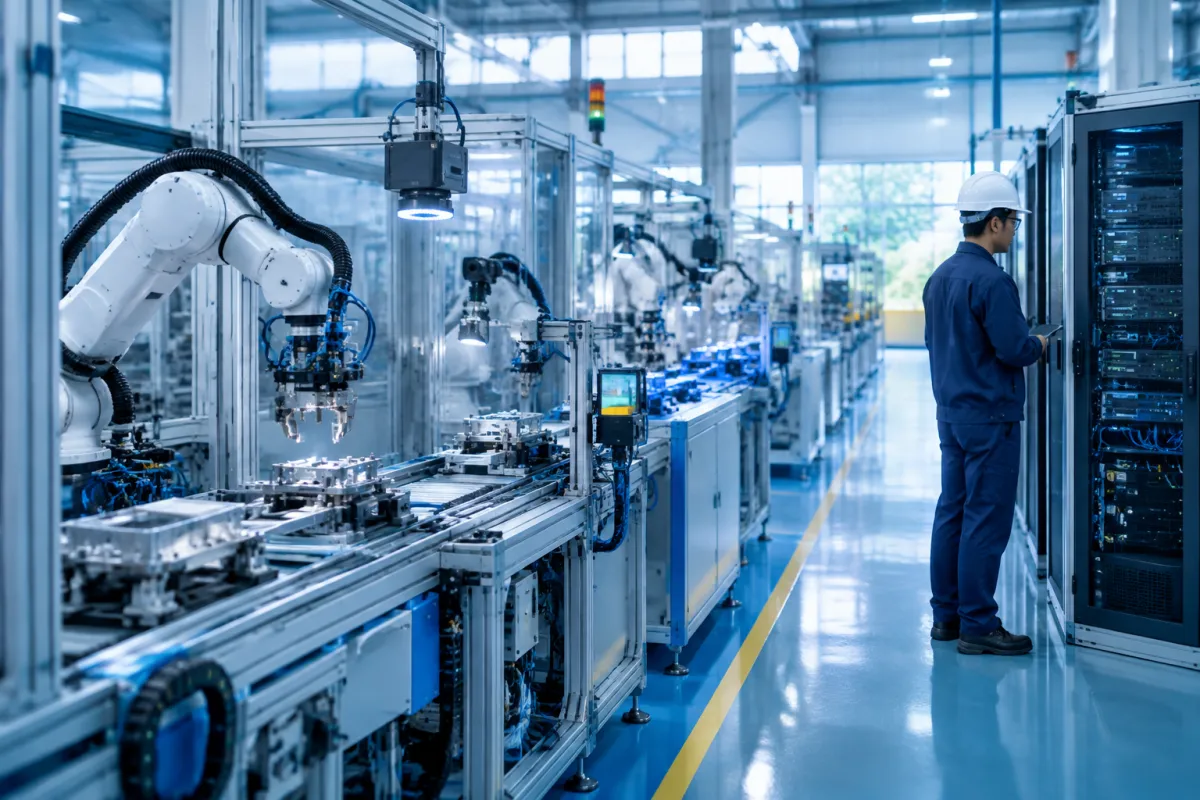
With edge computing, an edge server in the factory can analyze sensor data on-site. For instance, if a sensor detects that a motor’s vibration has exceeded a set threshold, the system can alert maintenance staff or instruct the equipment to reduce its load. This is an example of predictive maintenance: identifying signs of a problem before machinery breaks down, rather than repairing it only after a failure.
Another application is quality inspection using computer vision. A camera captures products on a conveyor belt, and edge processing hardware analyzes the images to identify cracks, incorrect dimensions, or surface defects. Noncompliant products can be flagged or removed directly from the production line. Avoiding the need to continuously stream video to the cloud helps reduce latency and network traffic.
In this environment, edge computing can also support coordination between robots, control systems, and safety sensors. However, businesses need to check compatibility with existing equipment, develop contingency plans, and ensure that safety-related decisions comply with relevant industry standards.
Applications in Retail and Healthcare
Retail: Personalizing the Customer Experience and Managing Stores
In stores, edge computing systems can process data from cameras, shelf sensors, and payment devices. For example, a camera paired with image analysis software can estimate the number of customers in an area or detect when a shelf is running low on products. Staff can then be notified to restock promptly, rather than waiting for a customer to report the shortage.
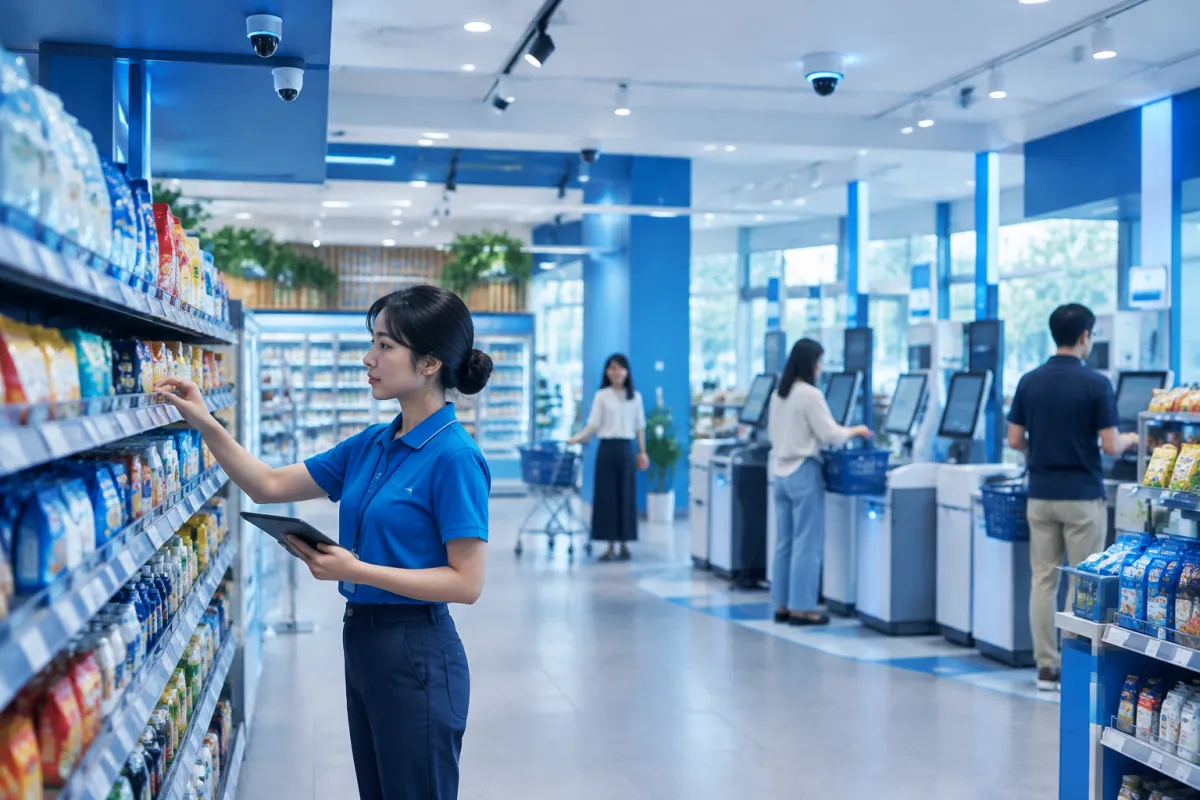
At self-checkout stations, edge devices can help identify products or flag certain situations for staff review. Transaction and inventory data can also be consolidated in the store before being synchronized with the central management system. This approach is useful for retail chains with many locations or stores with unreliable internet connectivity.
However, using cameras and analyzing customer behavior requires transparency about the purpose of data collection, limits on access, and compliance with personal data protection regulations.
Healthcare: Processing Data at Care Facilities
In healthcare, patient monitoring devices, diagnostic imaging equipment, and surveillance systems can generate a continuous stream of data. Edge computing allows some analysis to take place close to the device or within the hospital. For example, a monitoring device can alert healthcare staff when a patient’s readings exceed a predefined threshold, rather than relying entirely on a connection to a remote server.
Edge computing can also support the preprocessing of medical images, reducing the time needed to transfer large datasets between equipment and storage systems. However, the technology supports workflows; diagnosis and treatment decisions must be based on healthcare professionals’ expertise and approved procedures. Hospitals need to strictly control access permissions, encryption, storage, and the sharing of health data.
Applications in Logistics and Smart Cities
Logistics: Tracking Vehicles and Goods in Real Time
In logistics, trucks, containers, and warehouses can be equipped with sensors for location, temperature, humidity, and door status. Edge devices on vehicles can analyze data to detect temperature-sensitive goods exceeding their limits, vehicles straying from their routes, or equipment showing signs of a problem. Dispatch teams receive early alerts so they can contact drivers or adjust delivery plans.
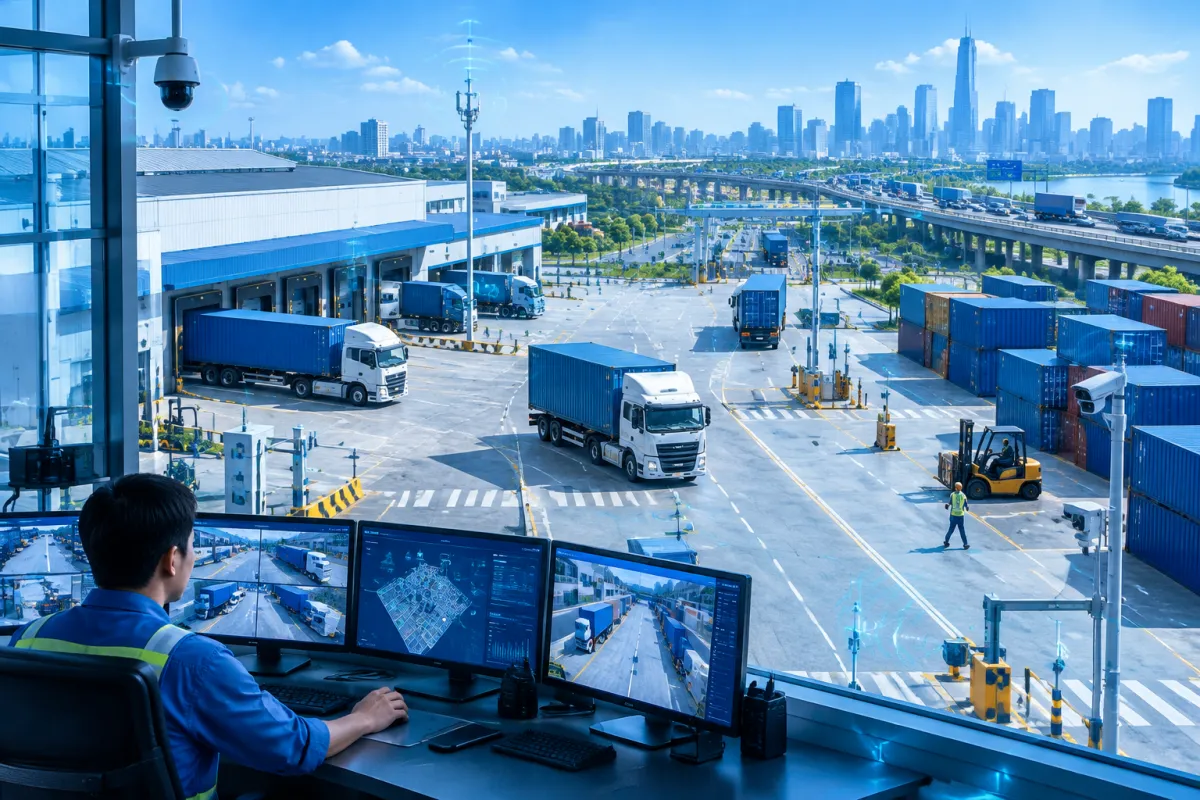
In warehouses, edge computing can connect with cameras, sensors, and barcode scanners to support inventory location updates, monitor movement, or coordinate robots. If a wide-area connection is lost, some warehouse tasks can continue and synchronize once the network is restored. This is especially valuable for operations that need to run continuously.
Smart Cities: Managing Traffic and Infrastructure
Smart cities use sensors and cameras to monitor traffic, lighting, the environment, and public infrastructure. An edge processor at an intersection can analyze traffic flow on-site and then adjust signals according to an approved configuration. This helps the system respond faster than it would if all data had to be sent to a distant center before instructions were issued.
In other applications, edge devices can filter data from air quality sensors or detect anomalies in water supply systems. The operations center still needs aggregated data to assess citywide conditions, evaluate trends, and coordinate across departments. Edge computing is therefore typically one layer of an overall architecture, not a standalone solution.
What Should Businesses Do to Prepare for Edge Computing?
To invest effectively, businesses should start with an operational challenge rather than choosing equipment simply because it is a trend. Identify which processes need a fast response, which costs should be optimized, and which data can be processed at its source. A clearly scoped pilot project can help verify the benefits before expansion.
- Assess the current infrastructure: Review devices, networks, software systems, and integration capabilities at each location.
- Determine where processing should happen: Classify tasks that need to run at the edge, those suited to the cloud, and data that needs to be synchronized.
- Design for security: Apply access controls and encryption, update software, monitor devices, and establish incident response plans.
- Calculate the total cost: Consider hardware, connectivity, operations, maintenance, and staffing—not just server costs.
- Measure outcomes: Track indicators such as response time, error rates, downtime, data transmission costs, and system availability.
Common challenges include equipment from multiple vendors, a shortage of management expertise, difficulties updating software at scale, and security risks at edge locations. Businesses should build an architecture that supports centralized management, clearly define operational responsibilities, and plan for lost connectivity or equipment failure.
Conclusion
What is edge computing? It is a model that brings data processing closer to where data is generated, helping businesses reduce latency, save bandwidth, and support continuous operations. In manufacturing, retail, healthcare, logistics, and smart cities, edge computing can address specific challenges such as detecting product defects, alerting staff to equipment issues, monitoring goods, and coordinating traffic.
To realize its potential, businesses need to choose the right use cases, combine edge and cloud systems appropriately, and prioritize integration and security. LilyTech can work with businesses to advise on technology solutions, build digital systems, and implement platforms aligned with operational goals. Contact LilyTech to discuss an approach suited to your organization’s practical needs.

