
 Nguyễn Chính Ngọc Liên
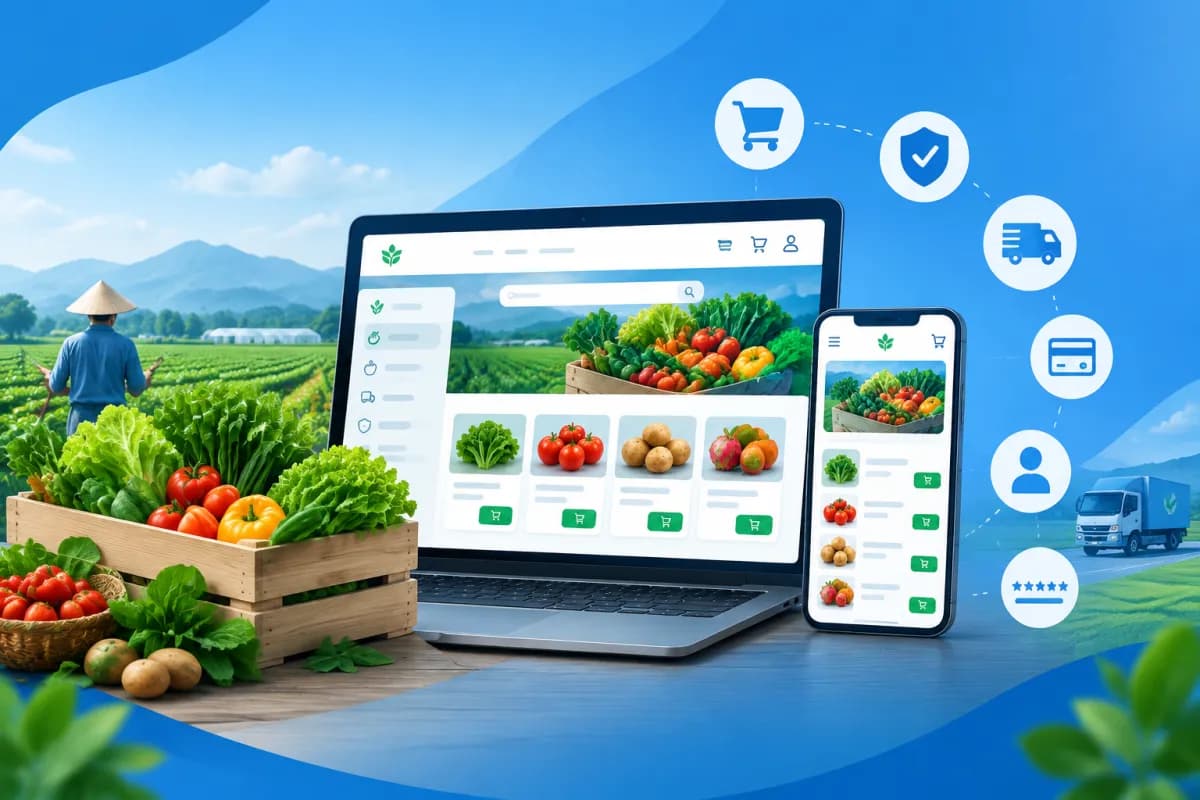
Agricultural products offer advantages in quality, provenance, and seasonality, but reaching a wider audience requires businesses to have a professional online sales channel. An agricultural products website should do more than display products: it should help shoppers understand what they are buying, place orders easily, and feel confident about product quality. The right agricultural products website features can support all of these goals.
So what features should a website have to meet both customer needs and operational requirements? Below are key feature groups businesses should consider when building an agricultural products website, from product catalogs and traceability to order management and online payments.
1. A clear, easy-to-search product catalog
The product catalog is where the shopping journey begins. If customers have trouble finding the agricultural products they want, they may leave before viewing the details. That is why the interface should organize products into logical groups and offer quick search and filtering.
Organize products around real customer needs
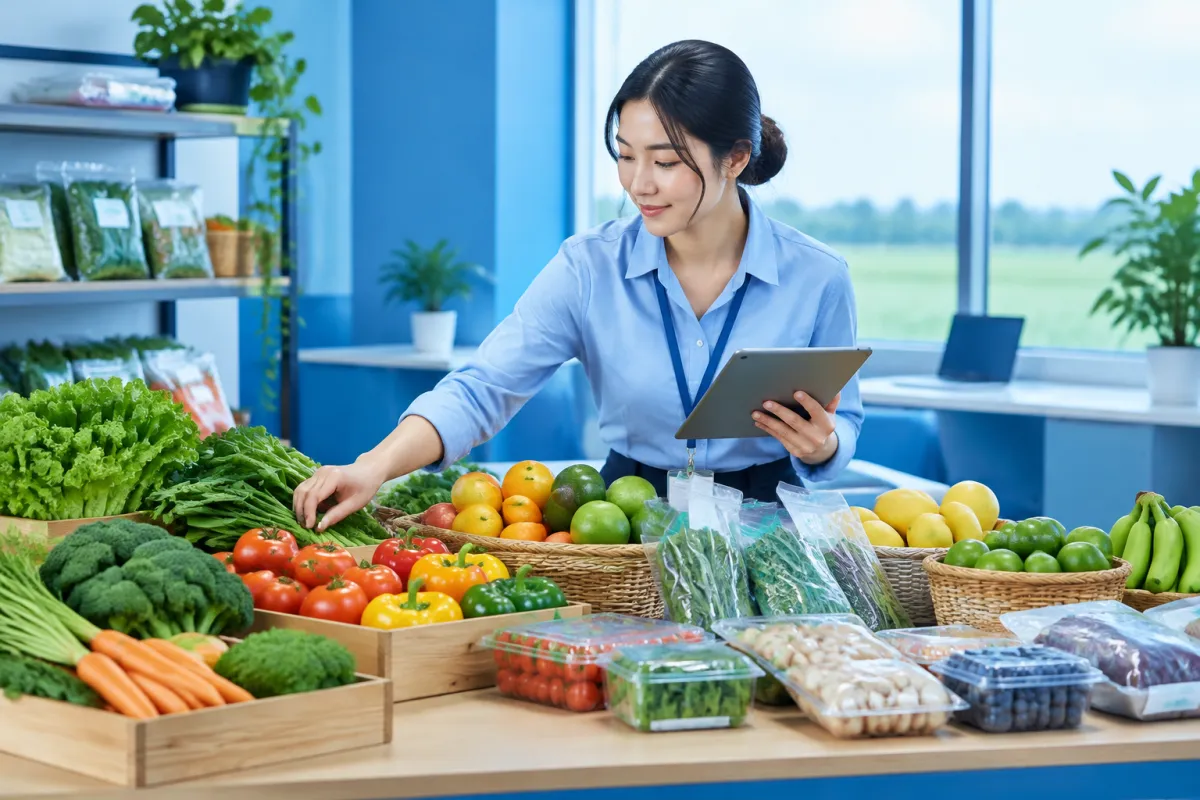
Depending on the business model, products can be grouped by type, such as vegetables, fruit, rice, coffee, seafood, or regional specialties. Additional filters might include season, origin, growing method, certifications, packaging, and price. Clear categories help shoppers compare options and choose the right products without browsing through too many pages.
Each product should have its own page with an easy-to-understand name, authentic images, a description, unit of sale, weight, price, stock status, and storage instructions. If a product is seasonal or available in limited quantities, the website should clearly state when it is expected to be available and explain any pre-order conditions. Accurate information reduces confusion, cuts down on repeat questions, and makes customers more likely to complete their orders.
Make search and browsing work well on mobile
The search bar should be easy to spot and able to suggest keywords as customers enter a product name. Filters and add-to-cart actions should be easy to use on small screens, since many customers shop on their phones. Images should be optimized for file size so pages load quickly while remaining clear enough for customers to assess color, size, and product condition.
2. Traceability and information that builds trust
When buying agricultural products, customers often want to know where they come from, how they were grown or raised, and whether they meet food safety standards. That is why traceability does more than make a website more complete—it also helps build brand credibility.
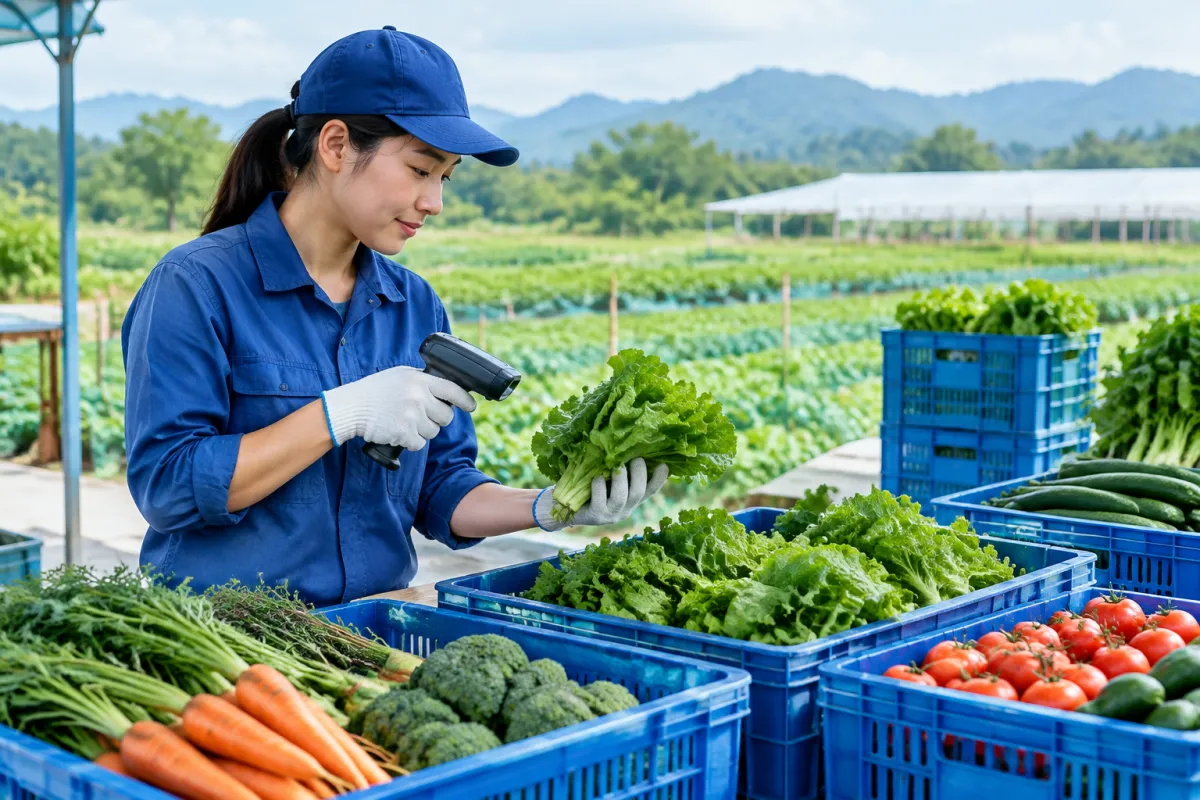
A product page can show the growing region, supplier, harvest season, processing and packaging methods, and relevant certifications. Businesses can also provide a batch number or QR code so shoppers can look up product information. Information should be kept up to date and supported by evidence; avoid making vague claims without documentation to substantiate them.
If the supply chain involves multiple parties, businesses should agree on how data will be recorded and who is responsible for updating it. Batch details, harvest dates, and expiration dates should be carefully managed to prevent discrepancies between the website and the products delivered. A transparent experience helps customers feel more confident, especially first-time buyers and business customers.
Traceability is valuable when information is easy to verify, updated regularly, and accurately reflects the product customers receive.
3. Streamlined cart, checkout, and order management
The simpler the ordering process, the fewer reasons customers have to abandon it. An agricultural products website should let shoppers add or remove products, adjust quantities, view subtotals, and enter discount codes in the cart. Before confirming an order, customers should be able to see the delivery fee, total cost, and estimated delivery time.
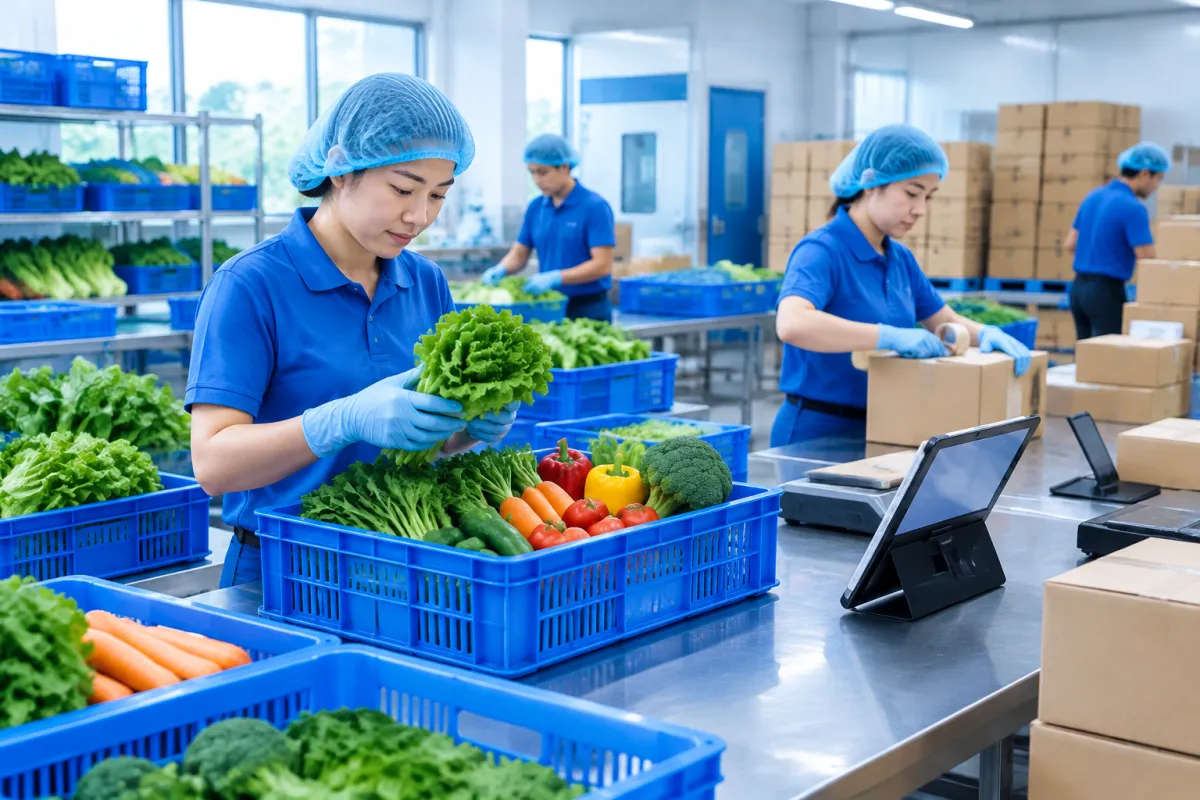
The checkout form should ask only for essential information, such as name, phone number, address, and delivery notes. The website can offer guest checkout while also letting customers create an account to save addresses and view purchase history. Once an order is placed, the system should send a confirmation by email, text message, or another suitable communication channel.
Order management tools for staff
On the administrative side, orders should be centralized in one place so staff can track them easily. Statuses such as received, awaiting confirmation, being packed, out for delivery, completed, or canceled help the team understand what to do next. Staff should be able to search for orders by order number, customer name, phone number, or order date.
For fresh produce, processing and delivery times can directly affect product quality. The system should support notes about delivery dates, preferred time slots, storage requirements, or substitutions when an item is out of stock. If the website serves multiple retail locations or warehouses, consider assigning orders by region and inventory level to avoid accepting orders beyond available stock.
4. Online payments and flexible delivery
Customers have different habits and levels of trust, so the website should offer suitable payment methods. Options may include cash on delivery, bank transfer, and online payment gateways. When integrating a payment gateway, businesses should choose a suitable provider, display transaction statuses clearly, and have a process for handling failed payments and refunds.
The checkout page should show the final amount, including product prices, delivery fees, and any surcharges. Hiding additional costs until the final step can undermine trust and lead customers to abandon their carts. For prepaid orders, the system should record the transaction so staff can reconcile payments easily.
Delivery policies should also be easy to understand, covering service areas, fees, estimated delivery times, and the requirements for refrigerated or express delivery. For perishable products, businesses should explain how items are packed and how customers can report products that do not meet expectations. This information helps customers make an informed decision before ordering and gives staff guidance when issues arise.
5. Content management, security, and room to grow
An e-commerce website needs an easy-to-use admin panel so the team can update products, prices, promotions, articles, and seasonal information. Regular content updates keep the website aligned with current business operations without requiring a technical provider to make every minor change.
In addition to sales features, businesses can add storage tips, recipes, stories about growing regions, and information about seasonal produce. Useful content helps customers get more value from products and helps the website reach people through search engines. Each page should have a clear title, description, and readable URL; content should be written for people rather than filled with repetitive keywords.
Security is essential when a website stores customer and transaction information. Businesses should use an SSL certificate, restrict admin account permissions, back up data regularly, and keep the platform up to date. They should also provide a privacy policy, terms of sale, and clear contact information so customers understand how their data is used.
Before building the website, define the size of the product catalog, expected order volume, inventory management process, delivery methods, and systems that need to connect. If the business plans to expand to multiple stores, suppliers, or sales channels, discuss integration with management software, accounting systems, or ERP early on. Choosing the right architecture from the outset can reduce the cost of changes as operations grow.
Conclusion: Build an agricultural products website that fits your business model
An effective agricultural products website combines a convenient shopping experience with transparent information and well-defined operational processes. Easy-to-navigate categories, reliable traceability, centralized order management, flexible payments, and clear delivery policies are essential foundations. Businesses should prioritize features based on their real needs, then expand the website using sales data and customer feedback. These are some of the most important agricultural products website features to consider.
LilyTech provides website design and digital consulting services for businesses, from defining requirements and designing the interface to planning integrations with management systems. Contact LilyTech to discuss an approach to building a website that fits your products, operations, and growth objectives.

