
 Đoàn Lê Minh Anh
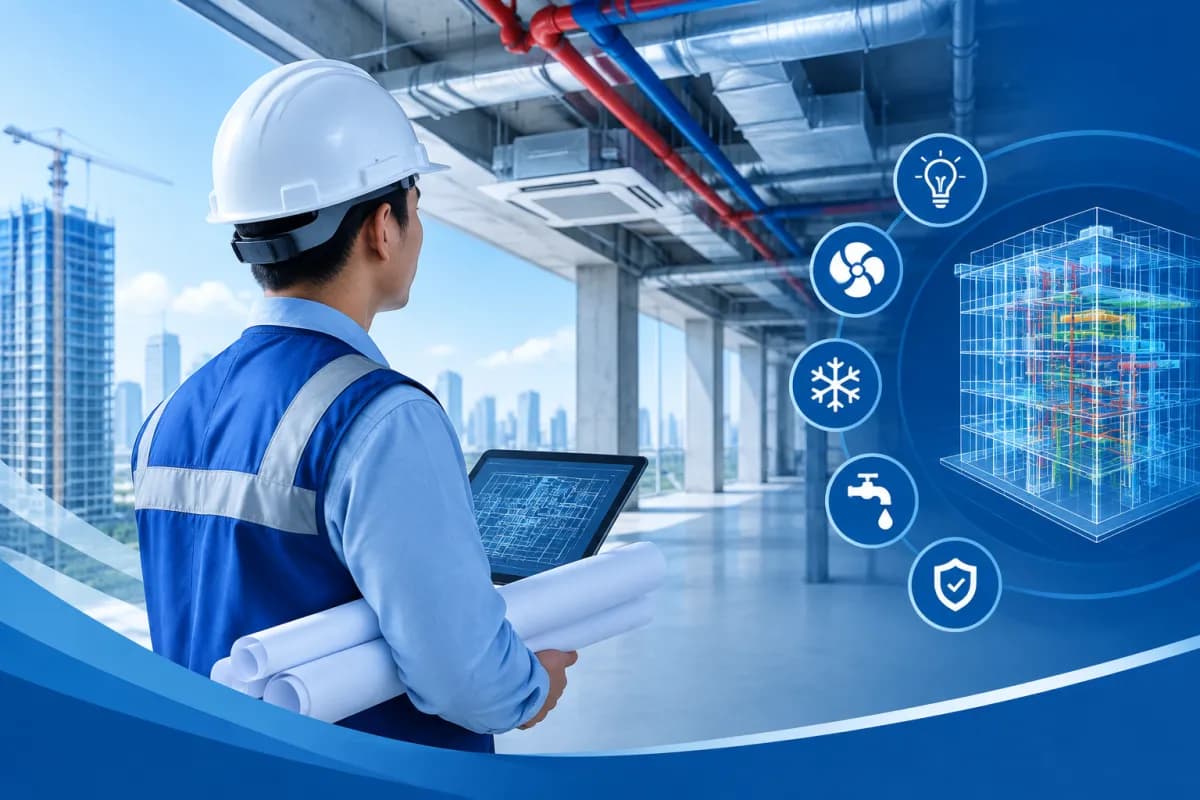
In buildings such as offices, factories, hotels, and shopping centers, mechanical and electrical systems directly affect how well a facility operates and how safe it is. That is why M&E professionals play an important role in the design, construction, and maintenance of buildings.
So, what is an M&E technician, what does a typical workday involve, and what should you prepare for a career in the field? This article explains the role, the essential skills it requires, and common career paths.
What Is an M&E Technician?
M&E stands for Mechanical and Electrical. In construction, the term generally refers to a building’s mechanical and electrical systems, such as electrical systems, water supply and drainage, air conditioning, ventilation, fire protection, and related technical components.
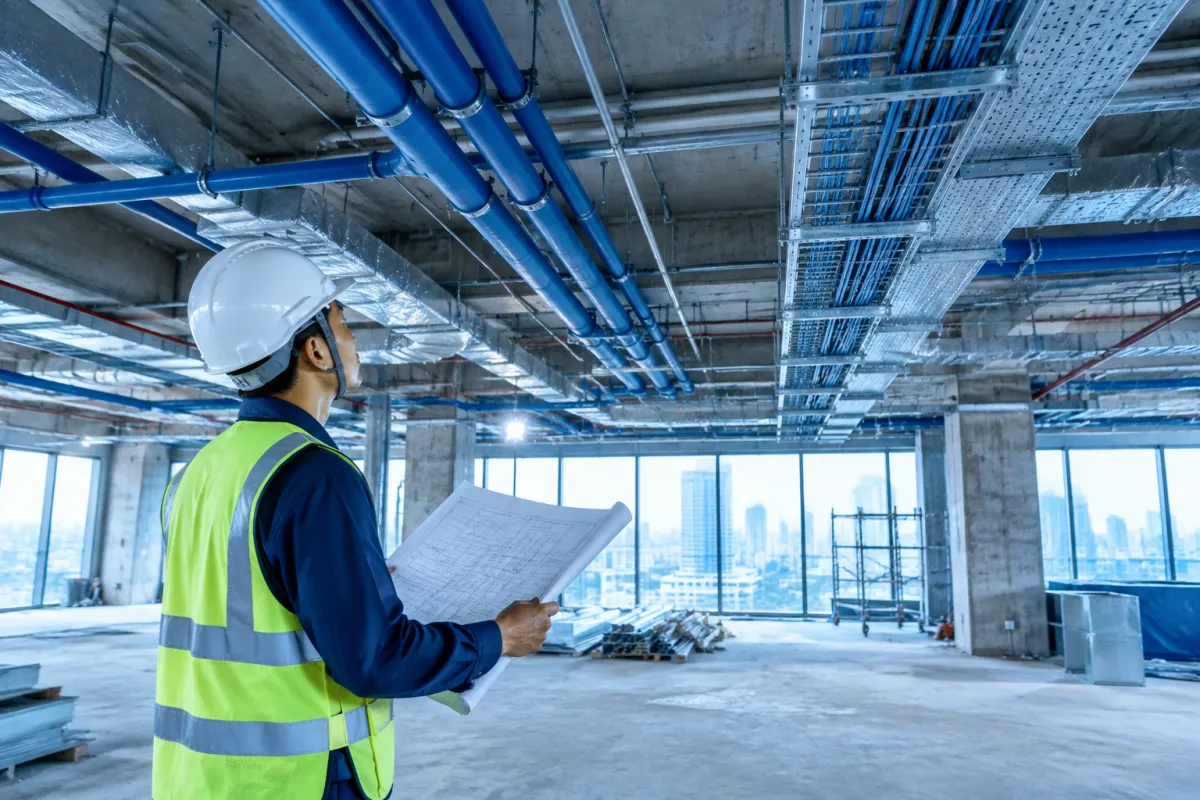
M&E technician is a broad term for someone involved in one or more stages of these systems. Depending on the company and project, they may work as a design engineer, site engineer, supervisor, technician, maintenance professional, or project manager. As a result, specific job duties can vary considerably between organizations.
In practice, an M&E technician may read drawings, check quantities, monitor equipment installation, coordinate with contractors, and resolve technical issues on site. In an operations team, the work often focuses on routine inspections, system maintenance, and troubleshooting. What these roles have in common is the need to understand how building systems are designed, installed, and operated as part of an integrated facility.
M&E is not always a single specialty. A project may have separate teams responsible for electrical systems, HVAC (heating, ventilation, and air conditioning), water supply and drainage, fire protection, or control systems. New professionals are usually assigned based on their field of study or the project’s practical needs.
Typical Day-to-Day Duties of an M&E Technician
An M&E technician’s responsibilities depend on the project stage and the position they hold. During design, they may help prepare technical documentation. During construction, they monitor installation and coordinate with different parties. After handover, they may move into system operation and maintenance.
Reviewing Drawings and Preparing Documentation
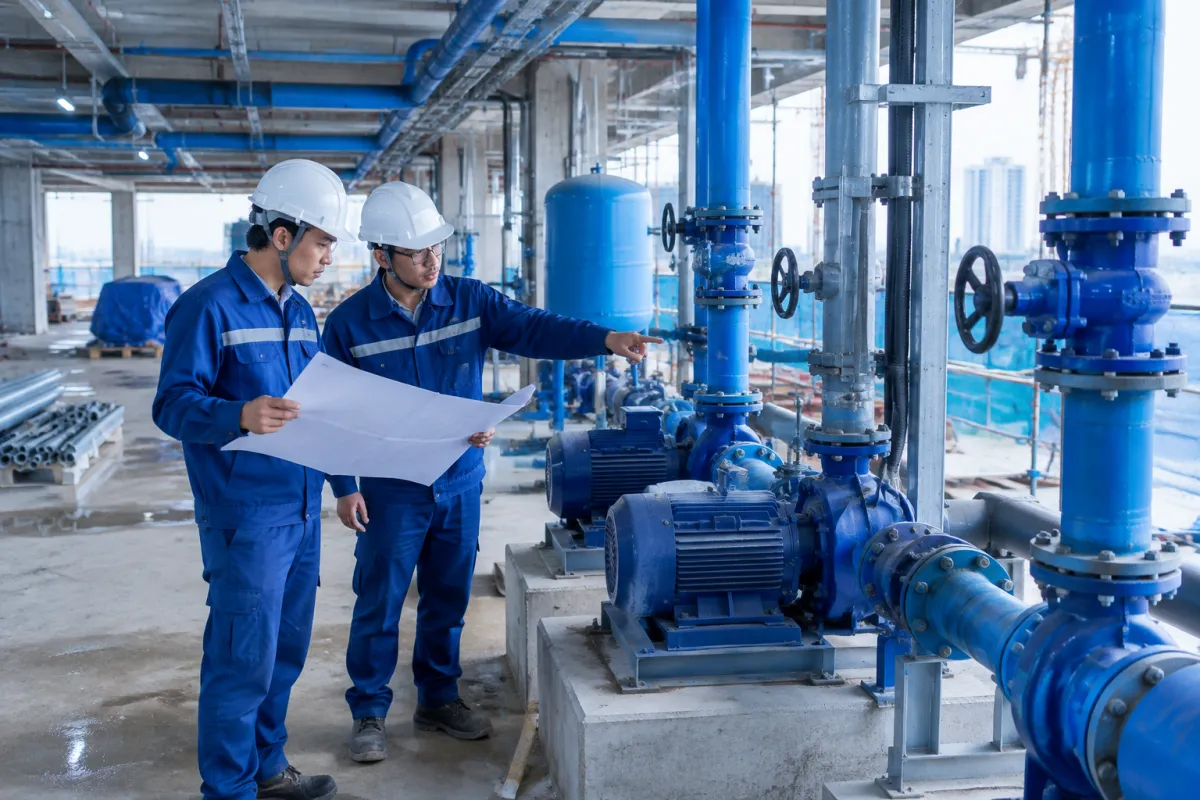
M&E technicians need to read design drawings, construction drawings, and technical documents to understand the requirements for each component. They may check equipment locations, pipe routes, cable runs, material specifications, and compatibility between systems. If they spot something unclear or a potential conflict, they should document it and discuss it with the person in charge rather than changing the plan on their own.
Depending on the role, duties may also include calculating quantities, preparing material lists and construction plans, updating as-built drawings, or completing acceptance documentation. Accuracy at this stage helps prevent material shortages, discrepancies between drawings and site conditions, and additional costs.
Monitoring Construction and Coordinating On Site
During construction, M&E technicians check whether installations follow the drawings, technical standards, and safety requirements. They may monitor progress, inspect material quality, record defects, report work status, and recommend solutions in line with project procedures.
Mechanical and electrical work often requires close coordination with structural, architectural, and interior teams. For example, pipes or cable trays must be routed in a way that works with beams, ceilings, and the space needed to maintain equipment. M&E technicians therefore communicate with design consultants, general contractors, subcontractors, clients, and other construction teams to resolve issues, agree on solutions, and minimize rework.
Inspection, Acceptance, and Troubleshooting
Before a system is put into service, technicians may take part in inspections, trial runs, measurements, and completion of acceptance documents. They need to record results clearly, compare them with technical requirements, and report any irregularities to the responsible person. For systems already in operation, duties may include routine inspections, servicing, equipment replacement, and troubleshooting in accordance with safety guidelines.
- Inspect conditions, identify signs of abnormal operation, and determine the scope of any impact.
- Follow procedures to isolate power sources or otherwise ensure safety before starting work.
- Coordinate with relevant teams to find the cause and restore operations.
- Record maintenance history and replacement materials, and recommend measures to prevent recurring issues.
Skills Needed to Work as an M&E Technician
Technical knowledge is essential, but it is not enough on its own. M&E technicians need to combine technical ability with coordination, work management, and a strong commitment to safety. Specific requirements vary by specialty, seniority, and building type.
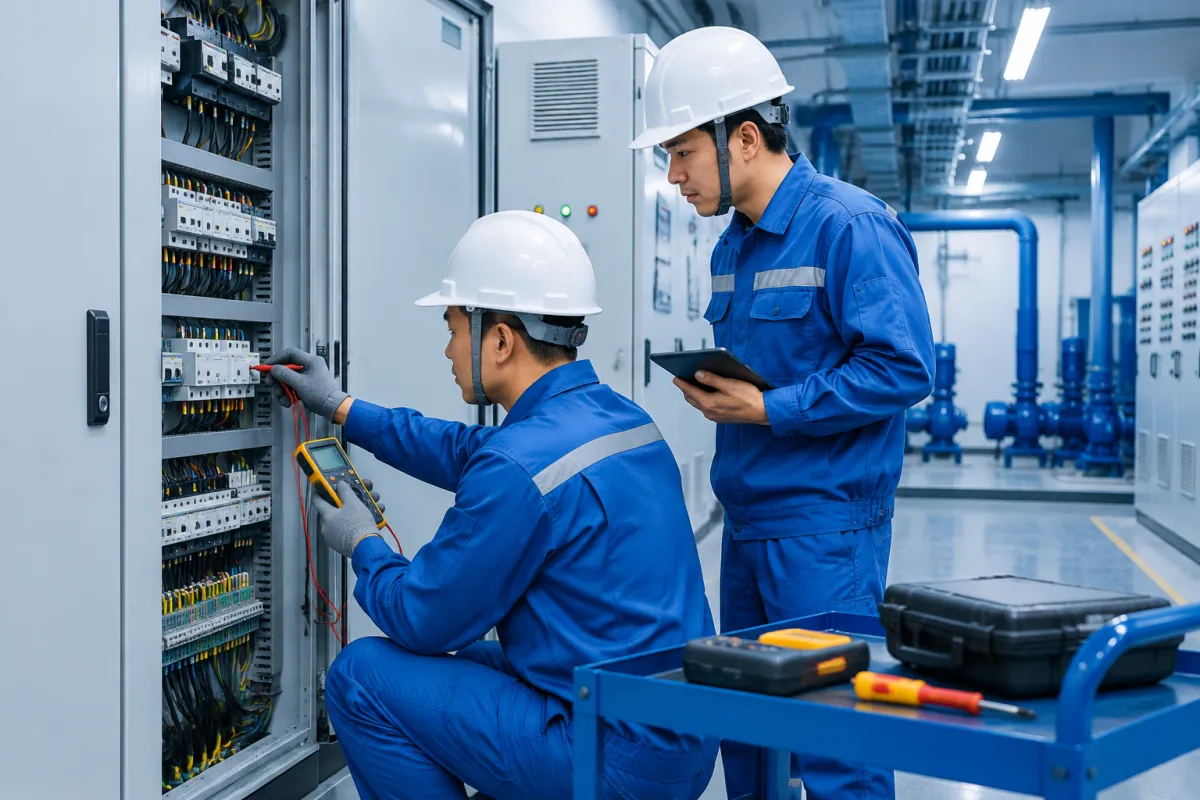
- Technical foundations: Understand the basic principles of your chosen field, such as electrical engineering, mechanical engineering, refrigeration and air conditioning, water supply and drainage, or fire protection. Professionals need to know how equipment works, which parameters to monitor, and when to seek guidance from a supervisor.
- Reading drawings and technical documents: The ability to read symbols, floor plans, schematic diagrams, and equipment specifications helps technicians understand how work should be carried out. Familiarity with industry software can be an advantage, but requirements vary by employer.
- Commitment to safety: Construction sites and plant rooms may involve hazards related to electricity, working at height, machinery, or confined spaces. M&E technicians must follow procedures, use protective equipment, and never skip safety checks to meet a deadline.
- Problem-solving: When site conditions differ from the drawings or equipment does not work as expected, technicians need to gather information, identify the cause within their area of expertise, and report an appropriate solution. They should not rely on guesswork when safety or other systems could be affected.
- Communication and coordination: The work often involves multiple teams. Clear communication, confirming requirements, documenting changes, and responding promptly help reduce misunderstandings.
- Time and documentation management: Tracking progress, task lists, site logs, and acceptance documents provides a reliable record, supports smooth handovers, and makes follow-up inspections easier.
In addition, being able to read technical documents in English can be useful when working with equipment manuals or manufacturer standards. It is a skill worth developing over time, alongside technical knowledge and hands-on experience.
Career Development and Job Opportunities
M&E job opportunities may be available with design consultancies, M&E contractors, general construction contractors, facilities management companies, factories, property developers, or equipment suppliers. Hiring demand depends on project activity, location, and specific expertise, so candidates should review the scope of work carefully rather than relying on the job title alone.
New professionals often start as interns, technicians, or entry-level M&E engineers. At this stage, the focus is on building core knowledge, learning to read drawings, understanding site procedures and safety standards, and developing report-writing skills. Asking questions, observing experienced colleagues, and noting lessons learned from each assignment can help newcomers adapt more quickly to the workplace.
With experience, professionals can specialize in a field such as electrical systems, HVAC, water supply and drainage, or fire protection. Alternatively, they can move into coordination-focused roles such as supervisor, team leader, or project manager. Another option is to work in operations and maintenance at a factory or building, where the focus is on the long-term reliability and efficiency of systems.
- Getting started: Strengthen your technical knowledge, learn safety procedures, and support basic tasks under supervision.
- Working independently: Take responsibility for specific components, monitor quality and progress, and coordinate solutions to issues within your remit.
- Specializing or moving into management: Develop in-depth expertise in a particular system or build skills in planning, staff and cost management, and stakeholder communication.
To build a suitable career path, newcomers should first decide whether they are most interested in design, construction, or operations. Next, they should research actual job requirements, proactively learn relevant software and standards, and keep a record of the projects or components they have worked on. Describing experience specifically and honestly helps employers assess a candidate’s capabilities more clearly.
Conclusion
What is an M&E technician? It is a broad term for people involved in the design, construction, supervision, or operation of building systems. The work varies by specialty, but typically requires a solid technical foundation, the ability to read drawings, a collaborative approach, and a commitment to safety. With a clear plan for learning and development, professionals can build deep expertise or move into management roles.
If your business needs to upgrade its digital operations, build a website, develop an app, or implement technology solutions to support project management and operations, LilyTech is ready to hear about your needs and recommend a suitable approach. Contact LilyTech to speak with our team of specialists.

